Strain Profile
Lemon Tree
Lemon Tree gained serious traction in the world of weed following two critical competition wins in 2014. To this day, she remains a firm favorite among growers who prefer complex terpene profiles and well-balanced effects. Learn everything you need to know about this cultivar below, including her genetic lineage, potential uses, and growing habits. Strain History of Lemon Tree The origins of Lemon Tree remain somewhat murky. The strain first originated in the city of Santa Cruz in Northern California. The cultivar slowly started to gain traction on the West Coast, and eventually earned international recognition following a stellar year on the competition circuit in 2014; she won first place for Best Hybrid at both the San Francisco and Seattle High Times Cannabis Cup events. As Lemon Tree continued to rise in popularity, other seed banks created their own version of the cultivar. Barney’s Farm, a pioneering seed company located in the Netherlands, bred their own version of the strain using the original parent varieties. Genetic Lineage of Lemon Tree Lemon Tree possesses a fairly balanced genetic profile, consisting of 55% indica and 45% sativa. She produces an impressive amount of THC and a highly complex terpene profile. On top of this, she churns out large yields over a short flowering time. So, from where exactly did this strain inherit these traits? Discover Lemon Tree’s genetic lineage below: • Lemon Skunk: DNA Genetics created Lemon Skunk by crossing two unique Skunk phenotypes. Skunk sits firmly upon the pantheon of legendary cannabis genetics for several reasons, including her mellow high and distinct aroma. Lemon Skunk differs from the original strain in numerous ways, including her particularly citrusy and zesty scent and flavor. With a THC content of 19%, she doesn’t hit as hard as many modern hybrids. Instead, she serves up an energetic and happy high that uplifts the mind in a gentle fashion. Many characteristics of Lemon Skunk are visible in her progeny, including her fruity yet pungent phytochemicals and rewarding productivity. • Sour Diesel: This strain goes by many names, including Sour D and Sour Deez. This sativa-dominant hybrid stems from a crossing of Chemdog and Super Skunk. The former has gained a reputation for her euphoric and creative high, while the latter remains popular among smokers who prefer more stoning effects. Sour Diesel expresses both of these contrasting attributes, but she certainly favors the energetic side of the spectrum. Sour Diesel’s terpene profile—composed mainly of myrcene—and her disposition to produce large yields both show up in Lemon Tree. Physical Characteristics of Lemon Tree As an indica-dominant hybrid, this strain possesses the quintessential bushiness that most experienced cultivators would expect. However, her morphology also provides hints of her sativa genetics, including the length of the lower branches and the pillar-like structure of her large inflorescences. Her colas are considerably long and ornate with manifold sugar leaves. The height of this cultivar varies depending on environmental factors. Indoor plants grown in containers peak at around 100cm; those grown directly in the ground outside, with room to spread their roots, reach up to 200cm. Lemon Tree maintains a dark forest-green shade throughout much of the growing cycle, providing she has adequate access to nitrogen. However, things take an exotic turn during the late flowering stage. As chlorophyll levels start to dwindle and the green veil of this pigment falls away, strong hues of orange and purple come to the fore. But these colors don’t strike the human retina directly; they first refract through a dense layer of closely packed trichomes and the resin these tiny glandular structures exude. Properties/Effects of Lemon Tree First things first, let’s assess her phytochemical profile. The THC content of Lemon Tree varies drastically from as low as 13% to as high as 26%. This figure hinges on both the skill of the grower and a host of environmental factors. For example, plants grown outside in fertile soil and exposed to natural UV rays will outperform those grown indoors under subpar lights by a complete novice. It goes without saying that buds higher in THC hit much harder. Still, this strain’s terpene profile also plays a fundamental role in her effects. Lemon Tree features a complex terpene profile that gives rise to citrus, lemon, diesel, skunk, and fruit flavors. Chief among her aromatic components are myrcene, pinene, and caryophyllene. In synergy with THC, these chemicals produce a clear-headed, soothing, and physically stoning effect. Overall, Lemon Tree serves up a relaxing yet functional high ideal for any time of the day. Uses of Lemon Tree Past her recreational effects, Lemon Tree has also become popular among medical marijuana users because of her purported therapeutic utility. The research surrounding cannabis and the health...
Data Confidence
40Moderate
Lineage
Sour Diesel x Lemon Skunk
Linked Descendants
24 descendants
COA Highlights
15-20%
Leafly (Aggregated)
Top terpene: 0
Availability
Registry Only
Archive record
This accession remains in the registry and archive, but no active purchasable inventory is on file right now.
Related lineage in stock
Similar profile / type in stock
Forensic_Dossier_Active
Lemon Tree
Genome.
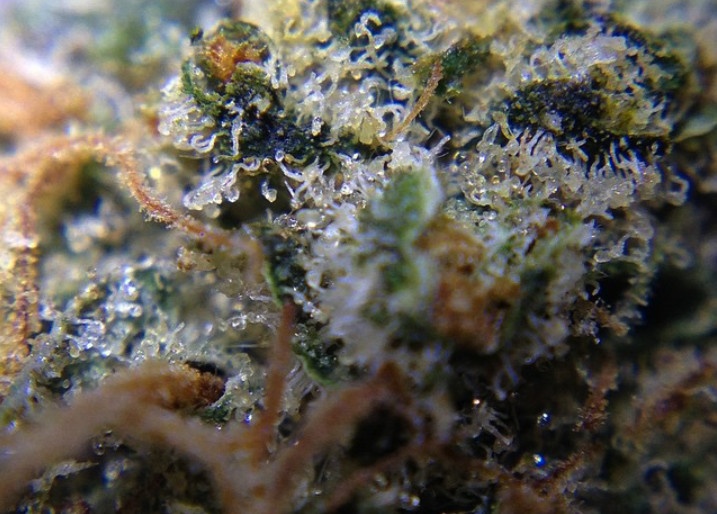
Visual_History
View_Master

View_Master
System_G_Pedigree
Genomic Matrix
Primary IsolateGenesis Node
Primary IsolateGenesis Node
Lineage Navigator
Parent / Current / DescendantParents
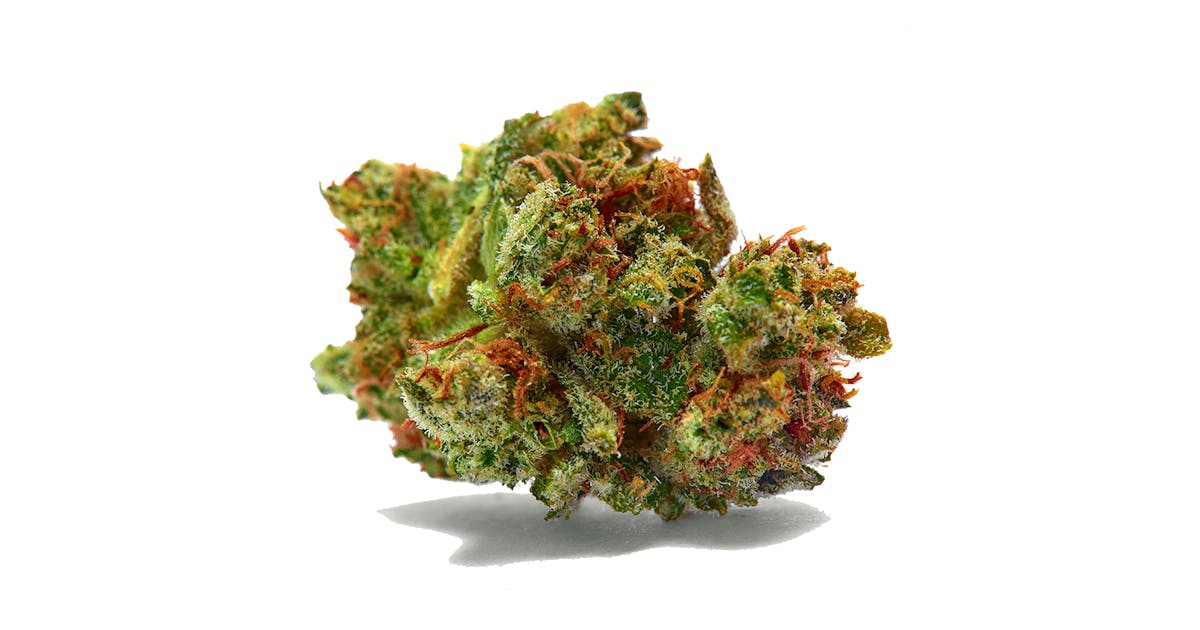

Current Node
Direct descendants: 24
Recursive descendants: 239
Landrace mentions under review: 7
Direct Descendants
70
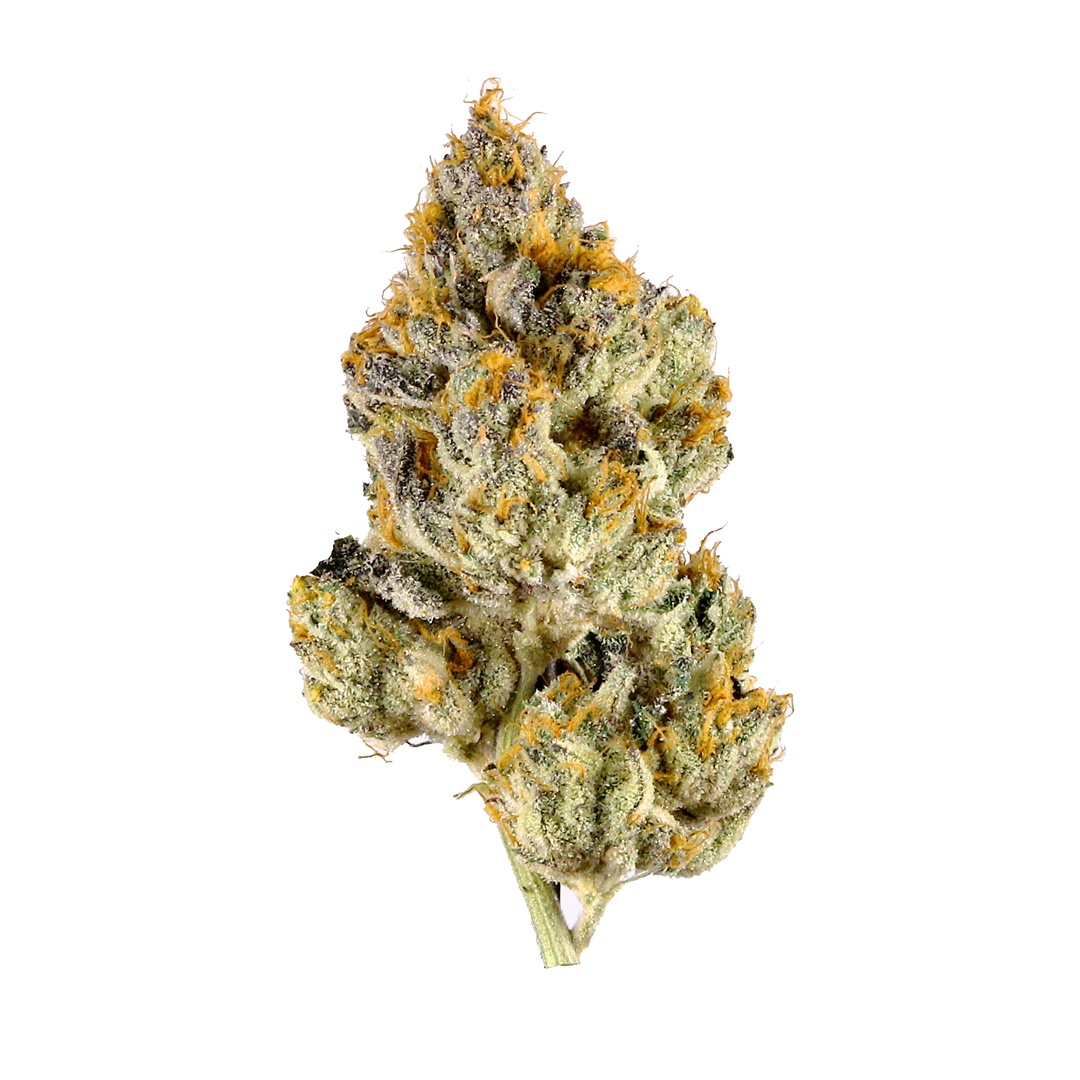
CH
CH
CH
DA

FO
GA

HO
Downstream Descendants
Recursive graph-linked lineage across 239 accessions.
7 inferred mentions
707 Lemon Treegen 1
707 seed bank • hybrid
Animal Treegen 1
Seed Junky Genetics • hybrid
Chlemontreegen 1
People Under The Stairs Genetics • hybrid
Chocolate Lemonsgen 1
Equilibrium Genetics • hybrid
Chunky Lemon Treegen 1
terp fi3nd • hybrid
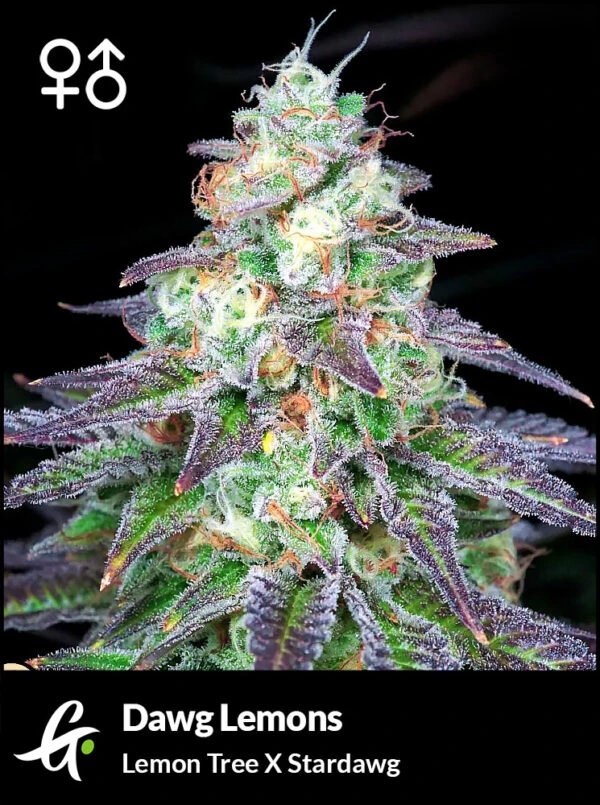
Dawg Lemonsgen 1
Greenpoint Seeds • hybrid
Daymangen 1
terp fi3nd • hybrid
Dosi Treegen 1
Archive Seed Bank • hybrid
Forbidden Terpzgen 1
The Plant Stable • hybrid
Gas Mark 10gen 1
Nasha Genetics • hybrid
Gelonadegen 1
Hood Lemon Dropsgen 1
elev8 seeds • hybrid
"Lemon Tree gained serious traction in the world of weed following two critical competition wins in 2014. To this day, she remains a firm favorite among growers who prefer complex terpene profiles and well-balanced effects. Learn everything you need to know about this cultivar below, including her genetic lineage, potential uses, and growing habits. Strain History of Lemon Tree The origins of Lemon Tree remain somewhat murky. The strain first originated in the city of Santa Cruz in Northern California. The cultivar slowly started to gain traction on the West Coast, and eventually earned international recognition following a stellar year on the competition circuit in 2014; she won first place for Best Hybrid at both the San Francisco and Seattle High Times Cannabis Cup events. As Lemon Tree continued to rise in popularity, other seed banks created their own version of the cultivar. Barney’s Farm, a pioneering seed company located in the Netherlands, bred their own version of the strain using the original parent varieties. Genetic Lineage of Lemon Tree Lemon Tree possesses a fairly balanced genetic profile, consisting of 55% indica and 45% sativa. She produces an impressive amount of THC and a highly complex terpene profile. On top of this, she churns out large yields over a short flowering time. So, from where exactly did this strain inherit these traits? Discover Lemon Tree’s genetic lineage below: • Lemon Skunk: DNA Genetics created Lemon Skunk by crossing two unique Skunk phenotypes. Skunk sits firmly upon the pantheon of legendary cannabis genetics for several reasons, including her mellow high and distinct aroma. Lemon Skunk differs from the original strain in numerous ways, including her particularly citrusy and zesty scent and flavor. With a THC content of 19%, she doesn’t hit as hard as many modern hybrids. Instead, she serves up an energetic and happy high that uplifts the mind in a gentle fashion. Many characteristics of Lemon Skunk are visible in her progeny, including her fruity yet pungent phytochemicals and rewarding productivity. • Sour Diesel: This strain goes by many names, including Sour D and Sour Deez. This sativa-dominant hybrid stems from a crossing of Chemdog and Super Skunk. The former has gained a reputation for her euphoric and creative high, while the latter remains popular among smokers who prefer more stoning effects. Sour Diesel expresses both of these contrasting attributes, but she certainly favors the energetic side of the spectrum. Sour Diesel’s terpene profile—composed mainly of myrcene—and her disposition to produce large yields both show up in Lemon Tree. Physical Characteristics of Lemon Tree As an indica-dominant hybrid, this strain possesses the quintessential bushiness that most experienced cultivators would expect. However, her morphology also provides hints of her sativa genetics, including the length of the lower branches and the pillar-like structure of her large inflorescences. Her colas are considerably long and ornate with manifold sugar leaves. The height of this cultivar varies depending on environmental factors. Indoor plants grown in containers peak at around 100cm; those grown directly in the ground outside, with room to spread their roots, reach up to 200cm. Lemon Tree maintains a dark forest-green shade throughout much of the growing cycle, providing she has adequate access to nitrogen. However, things take an exotic turn during the late flowering stage. As chlorophyll levels start to dwindle and the green veil of this pigment falls away, strong hues of orange and purple come to the fore. But these colors don’t strike the human retina directly; they first refract through a dense layer of closely packed trichomes and the resin these tiny glandular structures exude. Properties/Effects of Lemon Tree First things first, let’s assess her phytochemical profile. The THC content of Lemon Tree varies drastically from as low as 13% to as high as 26%. This figure hinges on both the skill of the grower and a host of environmental factors. For example, plants grown outside in fertile soil and exposed to natural UV rays will outperform those grown indoors under subpar lights by a complete novice. It goes without saying that buds higher in THC hit much harder. Still, this strain’s terpene profile also plays a fundamental role in her effects. Lemon Tree features a complex terpene profile that gives rise to citrus, lemon, diesel, skunk, and fruit flavors. Chief among her aromatic components are myrcene, pinene, and caryophyllene. In synergy with THC, these chemicals produce a clear-headed, soothing, and physically stoning effect. Overall, Lemon Tree serves up a relaxing yet functional high ideal for any time of the day. Uses of Lemon Tree Past her recreational effects, Lemon Tree has also become popular among medical marijuana users because of her purported therapeutic utility. The research surrounding cannabis and the health..."
Sovereign_Interconnect
Contribute to Lemon Tree.
Community-powered genetic intelligence. Interact with the global registry and marketplace via the SBI protocol.
Sell Seeds or Clones
List this strain on the marketplace.
Initialize_Protocol
Submit a Cross
Register a new cross using this parent.
Initialize_Protocol
Suggest a Correction
Fix lineage, names, or other data.
Initialize_Protocol
Submit Photos
Add grow photos or bud shots.
Initialize_Protocol
Share Grow Report
Document your experience growing this.
Initialize_Protocol