Strain Profile
Harlequin
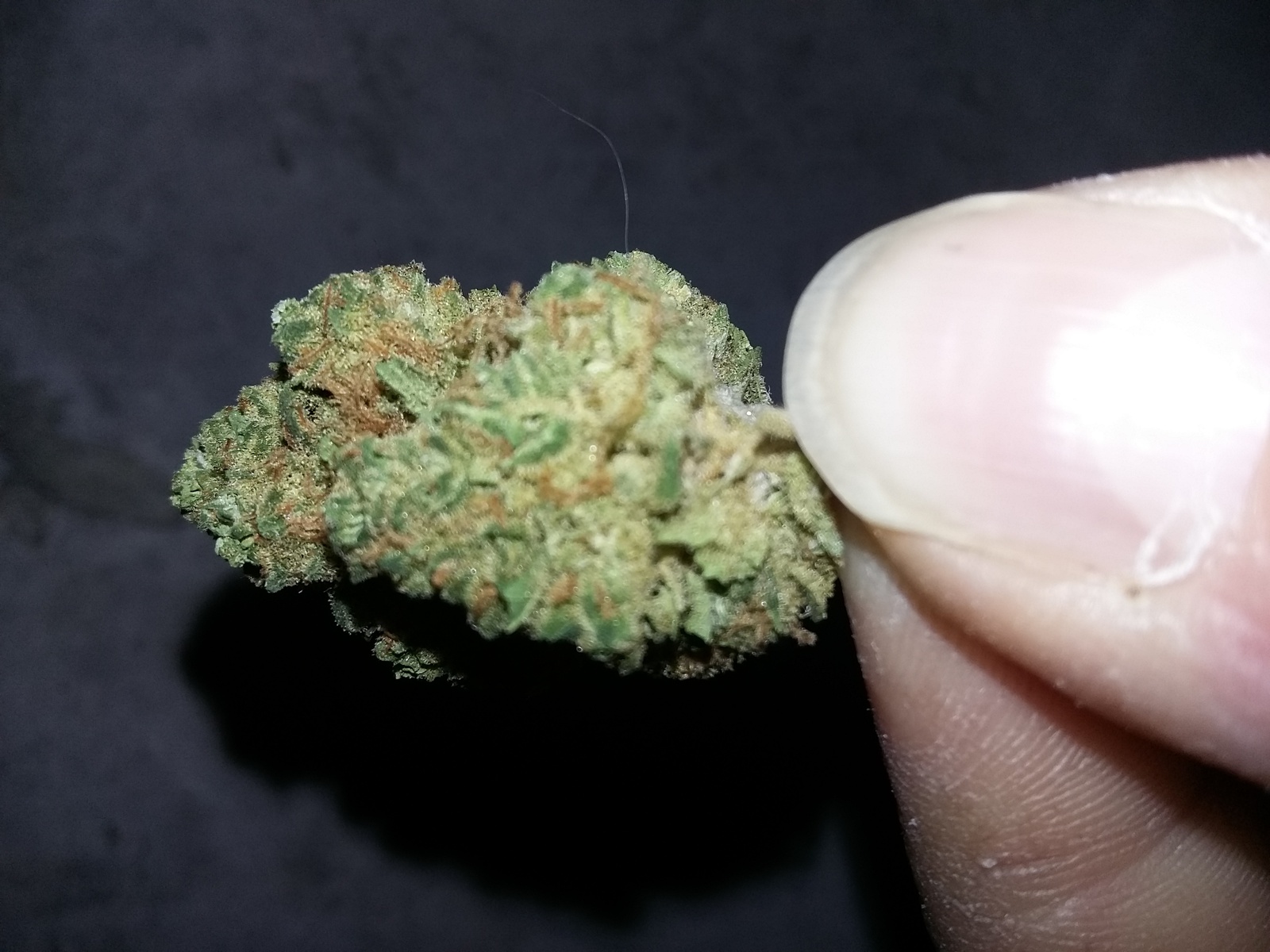
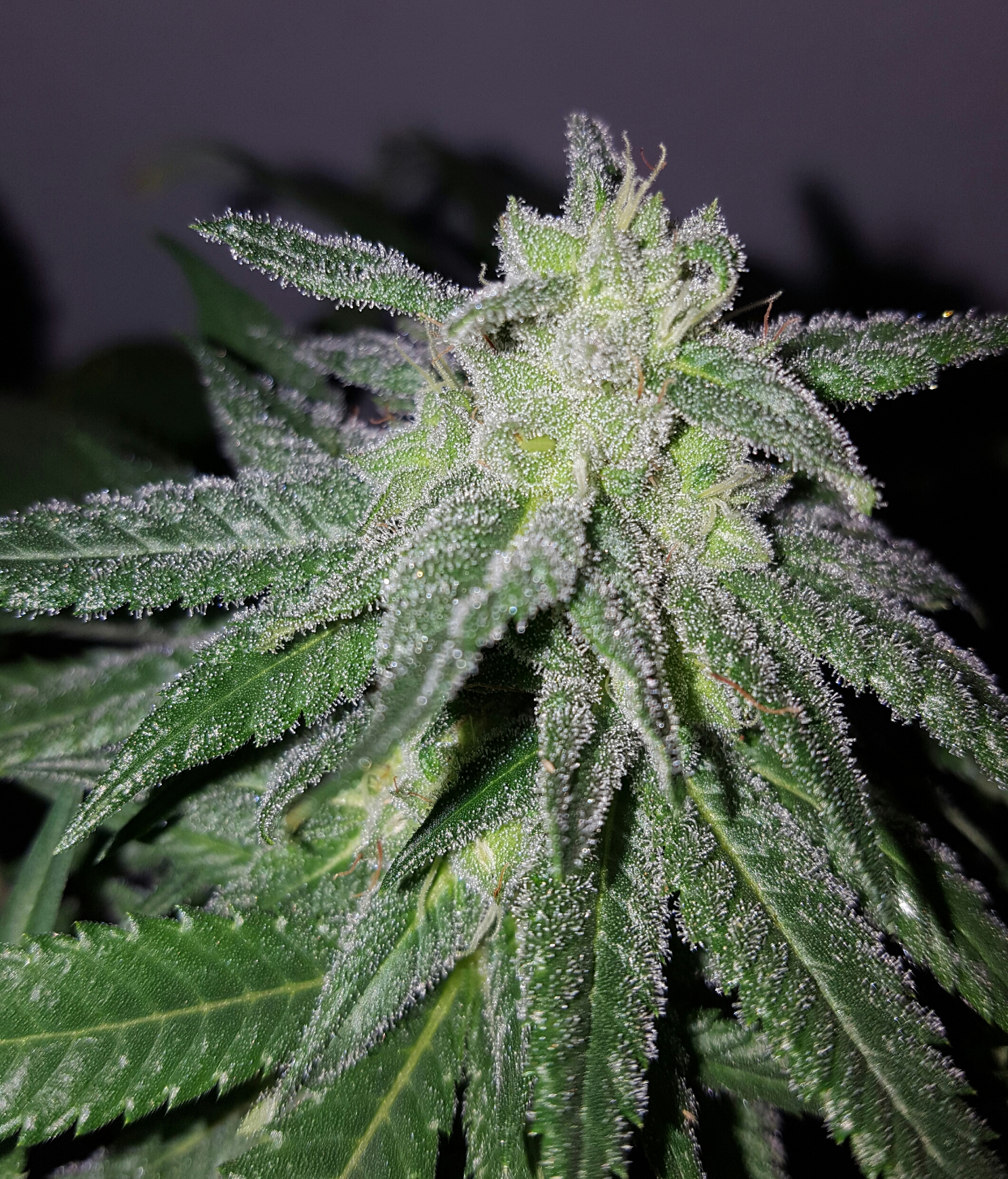
Harlequin is one phenotype of a plant bred to produce hashish. The genes are 75% sativa and 25 % indica. The Sativas include an early-1970s Columbian Gold, a Thai from the mountains near Laos, and a Swiss native land race that was bred for consumption of cattle. The Indica is from Nepal's Mustang state. These are all high-elevation plants... Harlequin is available as a clone at dispensaries in the Bay Area that are participants in Project CBD, including Sparc and the Vapor Room. The smell and taste are sweet with an almost syrupy heaviness that is pleasant on the inhale and the exhale. she needs about 60 to 70 days indoors to finish her full flowering. She sets flowers fairly quickly compared to other strains. I see fingertip-sized bud set at two weeks of flower - compared to pencil-eraser size in other plants at the same two weeks of flower. She really needs some way to support the colas the last few weeks because the trichomes and flowering tops get so heavy. Along those same lines, in a drying room where strains like Blueberry or Bubba Kush take seven to 10 days for drying before curing, the Harlequin can take as long as three weeks. She can be completely obscured by 'sugar' to where she looks "frosted". Cannabinoids in Harlequin Leaf? Earlier this year Wilson Linker, a s executive at Steep Hill Lab, tested leaves taken from a Harlequin plant about five weeks after it was started indoors from a clone. "Still completely in veg," he says of the plant. Linker took leaves from different various parts of the plant, ground them up, and tested them by GC/MS. To his surprise, the leaf tested at approximately 4% CBD and 2% THC. Linker repeated the test and confirmed the results with another Harlequin clone started the same day. Key questions will be answered by more testing: Do all Harlequin plants produce cannabinoids in the vegetative state? Do other CBD-rich strains have this trait? "The true benefit," says Linker, "would be that you could extract the CBD in mid-summer, not wait for buds before harvesting. There's obvious implications for making edibles and tinctures. Imagine not having to deal with a harvest!" Do you find mistakes or wrong information? Or is there something you want to add? Profile Awards Strain Reviews Degustation Gallery Direct Comparisons Lineage / Genealogy Hybrids / Crossbreeds User comments Uploads
Data Confidence
37Moderate
Lineage
Colombian Gold x Nepal - Indica
Linked Descendants
24 descendants
COA Highlights
10%
Leafly (Aggregated)
Top terpene: 0
Availability
Registry Only
Archive record
This accession remains in the registry and archive, but no active purchasable inventory is on file right now.
Similar profile / type in stock
Forensic_Dossier_Active
Harlequin
Genome.
Visual_History
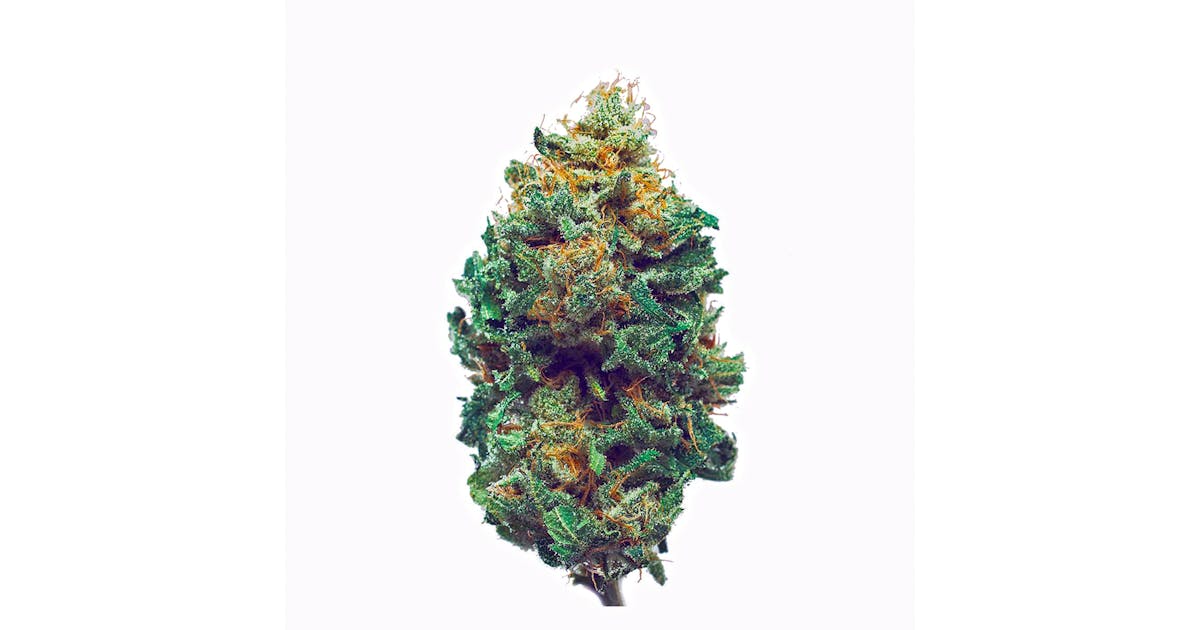
View_Master
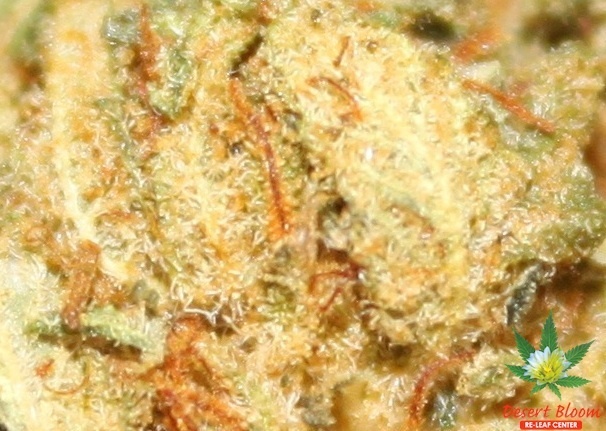
View_Master
System_G_Pedigree
Genomic Matrix
Primary IsolateGenesis Node
Primary IsolateGenesis Node
Lineage Navigator
Parent / Current / DescendantParents

NE
Current Node
Direct descendants: 24
Recursive descendants: 88
Landrace mentions under review: 5
Direct Descendants
BA
BL
C.
CB
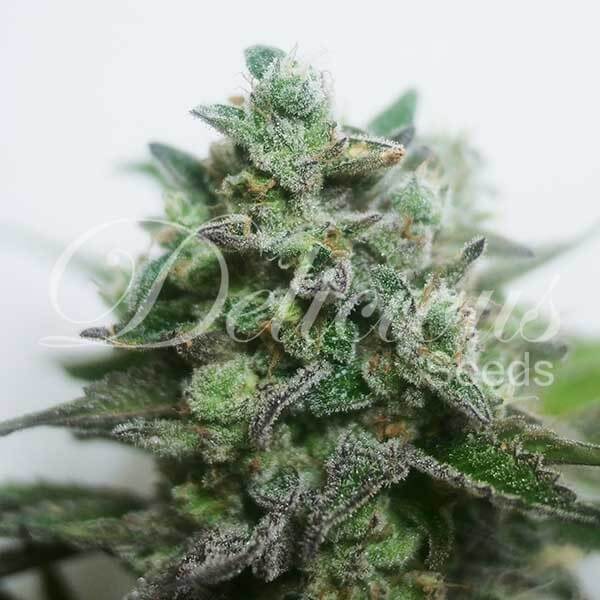
DI

FR
Downstream Descendants
Recursive graph-linked lineage across 88 accessions.
5 inferred mentions
Bananaquingen 1
Dankonomics Genetics • hybrid
Black Kandy Kushgen 1
Hybrid Department • hybrid
C.B.Dieselgen 1
MTG Seeds Here you can find all info about C • hybrid
Candidagen 1
Medical Marijuana Genetics • hybrid
CBD Harlequingen 1
United Cannabis Seeds • hybrid
Delimed CBD Plusgen 1
Delicious Seeds • hybrid
Die Hardgen 1
Pacific NW Roots • hybrid
Early Joigen 1
Savage Seed Collective • hybrid
Freedom Babygen 1
Gage Green Group • hybrid
Good Medicinegen 1
Bodhi Seeds • hybrid
Harlequakegen 1
Lineage Genetics • hybrid
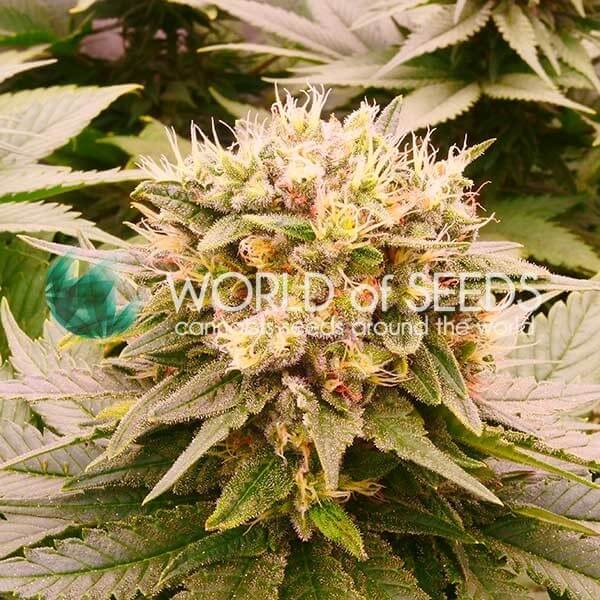
Harlequeengen 1
World of Seeds Bank • hybrid
"Harlequin is one phenotype of a plant bred to produce hashish. The genes are 75% sativa and 25 % indica. The Sativas include an early-1970s Columbian Gold, a Thai from the mountains near Laos, and a Swiss native land race that was bred for consumption of cattle. The Indica is from Nepal's Mustang state. These are all high-elevation plants... Harlequin is available as a clone at dispensaries in the Bay Area that are participants in Project CBD, including Sparc and the Vapor Room. The smell and taste are sweet with an almost syrupy heaviness that is pleasant on the inhale and the exhale. she needs about 60 to 70 days indoors to finish her full flowering. She sets flowers fairly quickly compared to other strains. I see fingertip-sized bud set at two weeks of flower - compared to pencil-eraser size in other plants at the same two weeks of flower. She really needs some way to support the colas the last few weeks because the trichomes and flowering tops get so heavy. Along those same lines, in a drying room where strains like Blueberry or Bubba Kush take seven to 10 days for drying before curing, the Harlequin can take as long as three weeks. She can be completely obscured by 'sugar' to where she looks "frosted". Cannabinoids in Harlequin Leaf? Earlier this year Wilson Linker, a s executive at Steep Hill Lab, tested leaves taken from a Harlequin plant about five weeks after it was started indoors from a clone. "Still completely in veg," he says of the plant. Linker took leaves from different various parts of the plant, ground them up, and tested them by GC/MS. To his surprise, the leaf tested at approximately 4% CBD and 2% THC. Linker repeated the test and confirmed the results with another Harlequin clone started the same day. Key questions will be answered by more testing: Do all Harlequin plants produce cannabinoids in the vegetative state? Do other CBD-rich strains have this trait? "The true benefit," says Linker, "would be that you could extract the CBD in mid-summer, not wait for buds before harvesting. There's obvious implications for making edibles and tinctures. Imagine not having to deal with a harvest!" Do you find mistakes or wrong information? Or is there something you want to add? Profile Awards Strain Reviews Degustation Gallery Direct Comparisons Lineage / Genealogy Hybrids / Crossbreeds User comments Uploads"
Sovereign_Interconnect
Contribute to Harlequin.
Community-powered genetic intelligence. Interact with the global registry and marketplace via the SBI protocol.
Sell Seeds or Clones
List this strain on the marketplace.
Initialize_Protocol
Submit a Cross
Register a new cross using this parent.
Initialize_Protocol
Suggest a Correction
Fix lineage, names, or other data.
Initialize_Protocol
Submit Photos
Add grow photos or bud shots.
Initialize_Protocol
Share Grow Report
Document your experience growing this.
Initialize_Protocol