Strain Profile
Durban Poison
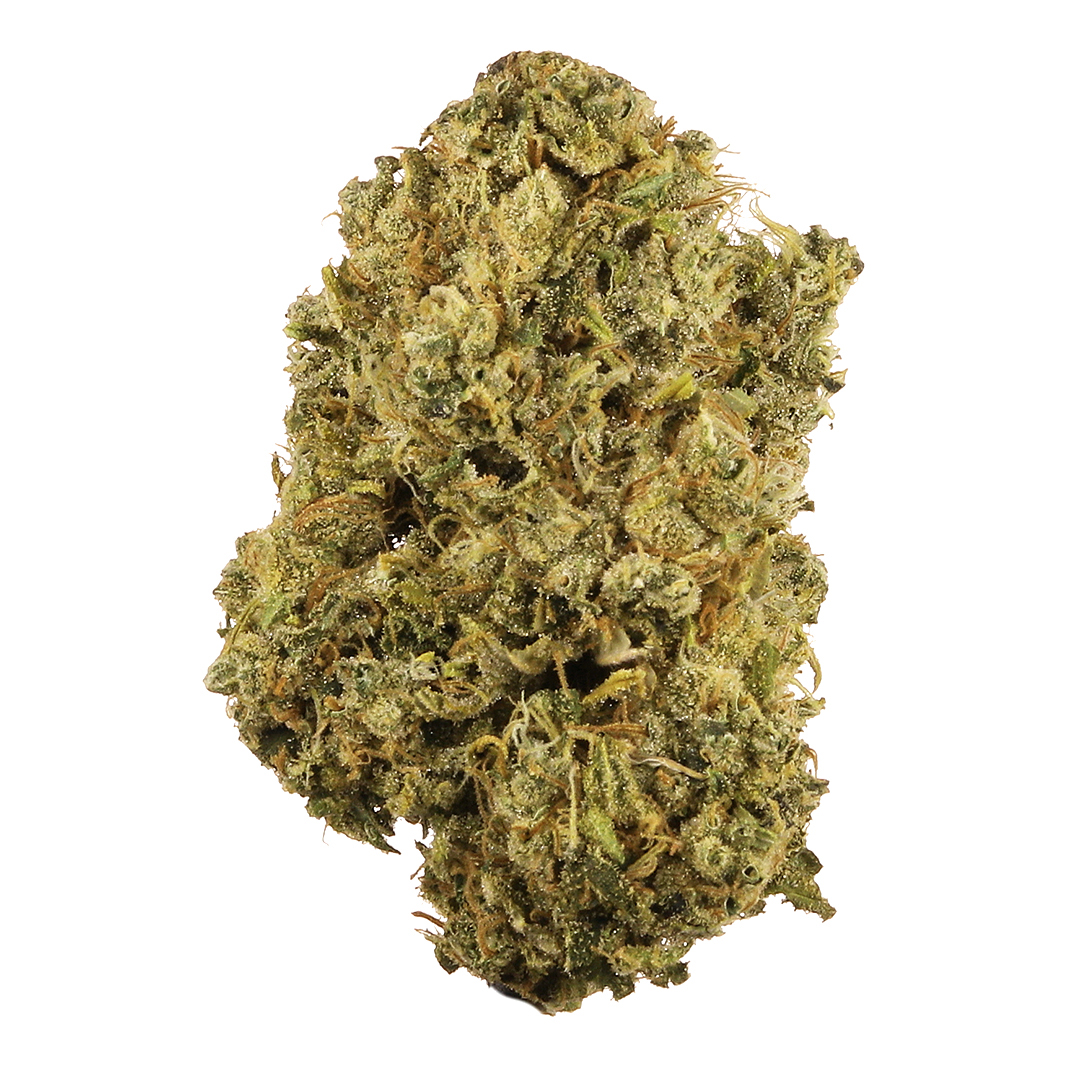
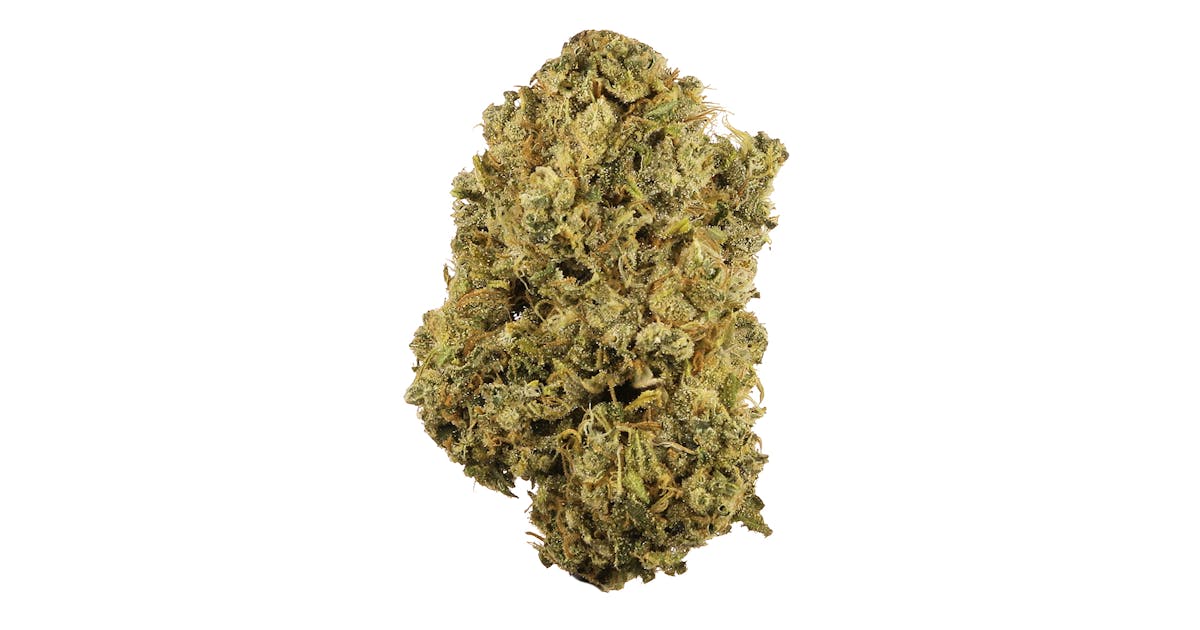
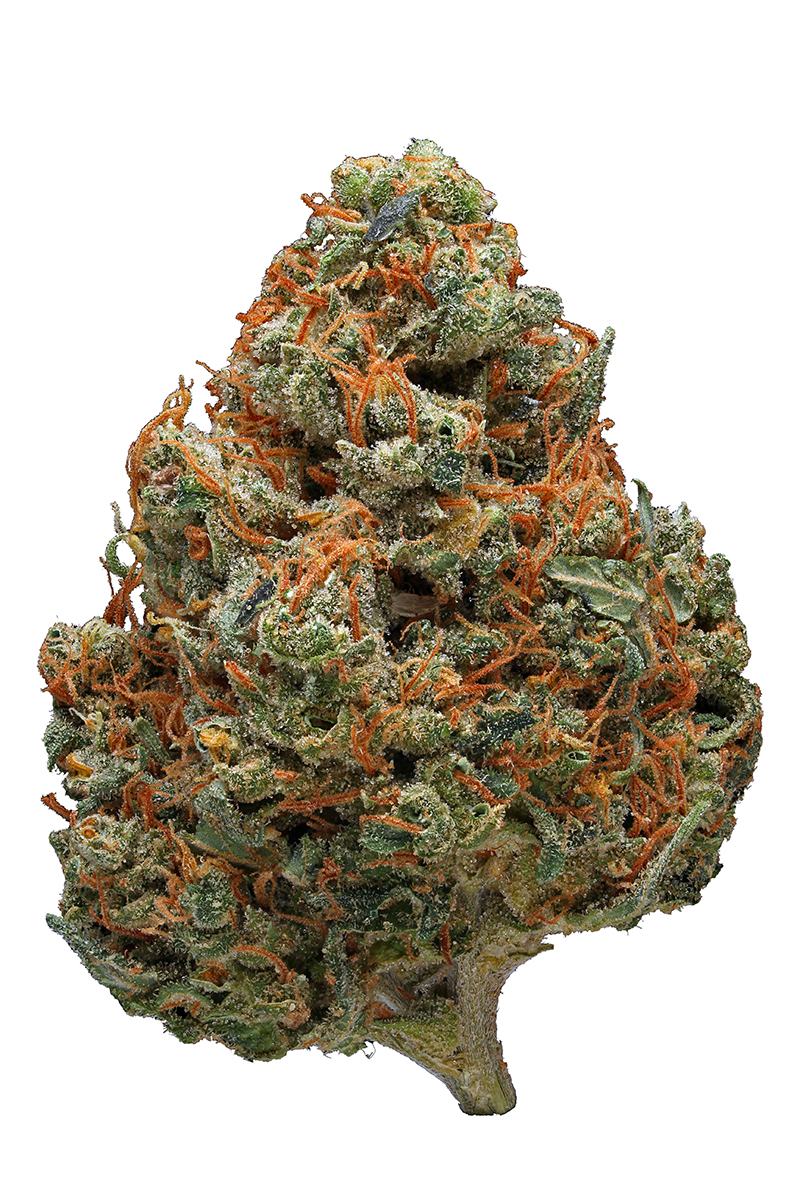
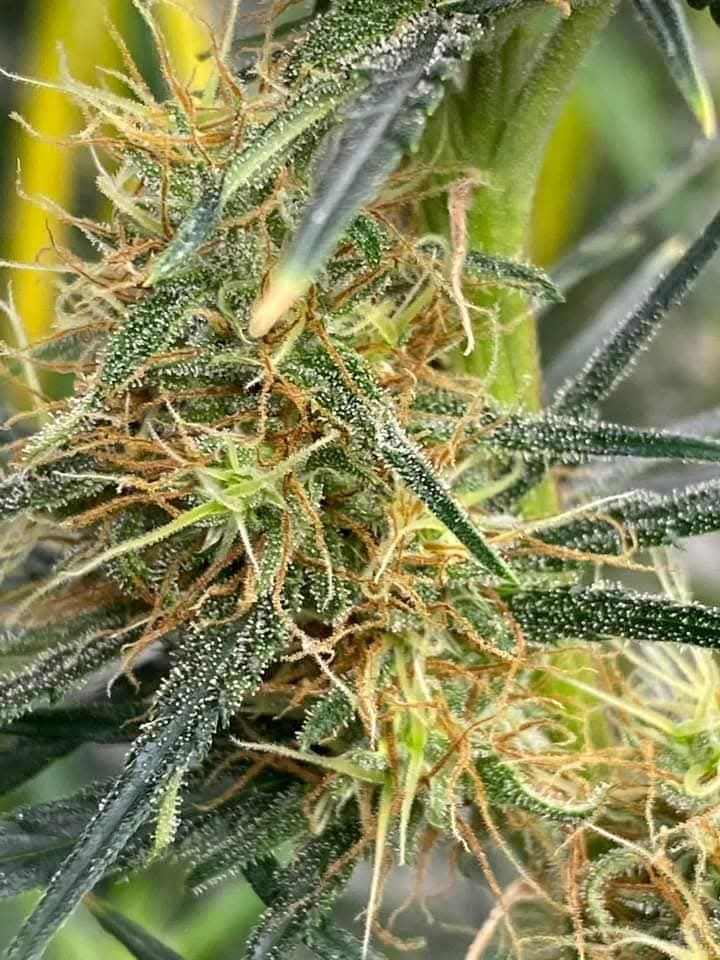
Durban Poison's journey from South Africa to the rest of the world began in the 1970s. Legend has it that famous cultivator and cannabis writer Ed Rosenthal discovered the strain on a trip to South Africa to find new genetics. Ed was particularly drawn to Durban Poison's relatively fast flowering time (remember, this was long before the autoflowers and fast-flowering strains of today). Ed got his hands on some Durban Poison seeds, which he later shared with growers and other cannabis enthusiasts, including Sam The Skunkman. Soon after, many Dutch seed banks and coffeeshops began selling Durban Poison, and today, the strain is grown and consumed by cannabis lovers everywhere. Durban Poison's status as a landrace strain means that it has remained unchanged for centuries. This makes it a rare and unique strain that is highly valued by cannabis enthusiasts. Landrace strains are important because they represent the original genetic makeup of a particular strain. They have adapted to their local environment over centuries, developing unique characteristics and qualities that are not found in strains that have been crossbred with others. When growing Durban Poison, it is essential to source seeds from a reputable supplier to ensure the purity of the strain and to preserve its unique genetics. Durban Poison has a sweet and spicy aroma with notes of fresh pine, ripe citrus, and earthy undertones. Users may also pick up on liquorice-like notes. She gets her aroma from a unique terpene profile rich in terpinolene, myrcene, and pinene. Terpinolene is the most dominant terpene in this strain, giving Durban Poison its sweet and spicy aroma. Commonly found in nutmeg, cumin, and apples, terpinolene is also present in other cannabis strains, such as Jack Herer and Dutch Treat. This terpene has potential therapeutic properties, such as anti-inflammatory and sedative effects, among others. Durban Poison's South African origin is significant because the country has a long history of cannabis cultivation and use. Cannabis has been grown in South Africa for centuries, with indigenous tribes using the plant for medicinal and spiritual purposes. In the 19th century, cannabis was introduced to the country's Indian population, who brought with them their own methods of cultivation and use. Today, cannabis is still widely used in South Africa, with many communities growing their own strains for personal use. Durban Poison is an excellent strain for growers due to its ease of cultivation and resilience. The strain is particularly well-suited to outdoor growing, in hot and dry conditions. Durban Poison can grow to be quite tall, making it a great choice for those looking for a heavy harvest. Plus, being a pure landrace sativa, Durban Poison gives growers a chance to experiment with a strain with very unique grow traits that have developed over many years in response to the plant's growing conditions.
Data Confidence
40Moderate
Lineage
South Africa - Sativa x South Africa - Sativa
Linked Descendants
24 descendants
COA Highlights
15-25%
Leafly (Aggregated)
Top terpene: 0
Availability
Registry Only
Archive record
This accession remains in the registry and archive, but no active purchasable inventory is on file right now.
Request restock alertFollow strainSubmit lineage evidencePost Grow JournalShare PhotosSubmit Experience Report
This strain stays visible as an archive record, but there are no active SBI alternatives linked yet.
Forensic_Dossier_Active
Durban Poison
Genome.
Visual_History
View_Master
View_Master
View_Master
System_G_Pedigree
Genomic Matrix
Primary IsolateGenesis Node
Primary IsolateGenesis Node
Lineage Navigator
Parent / Current / DescendantParents
SO
SO
Current Node
Direct descendants: 24
Recursive descendants: 300
Landrace mentions under review: 144
Direct Descendants
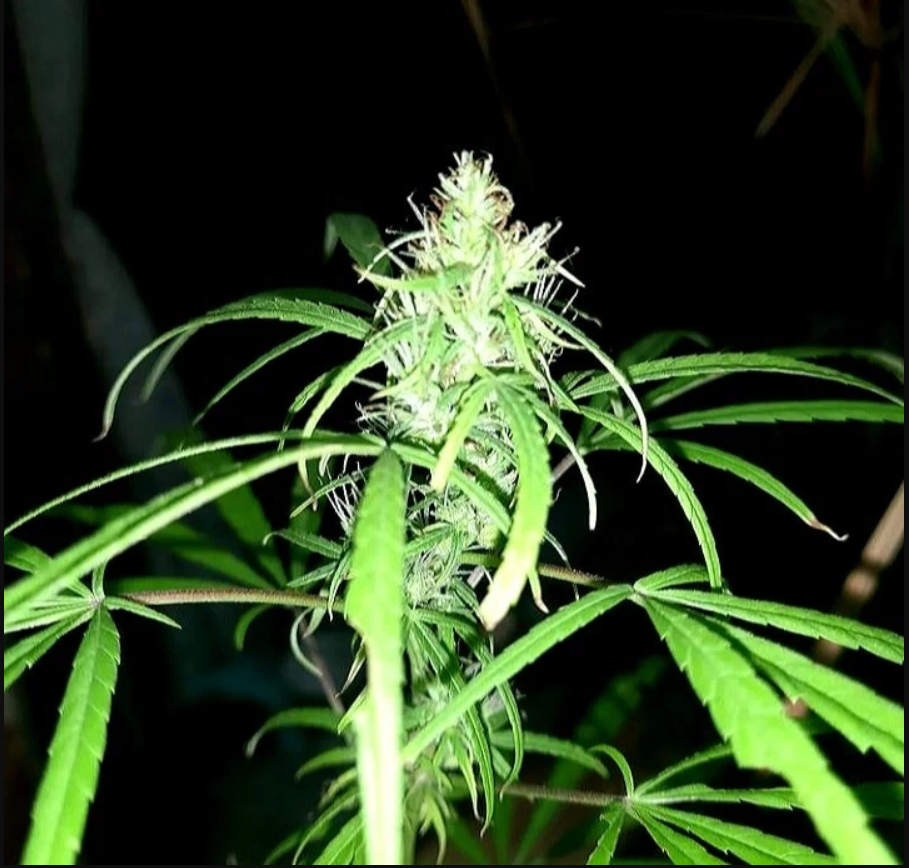
AC
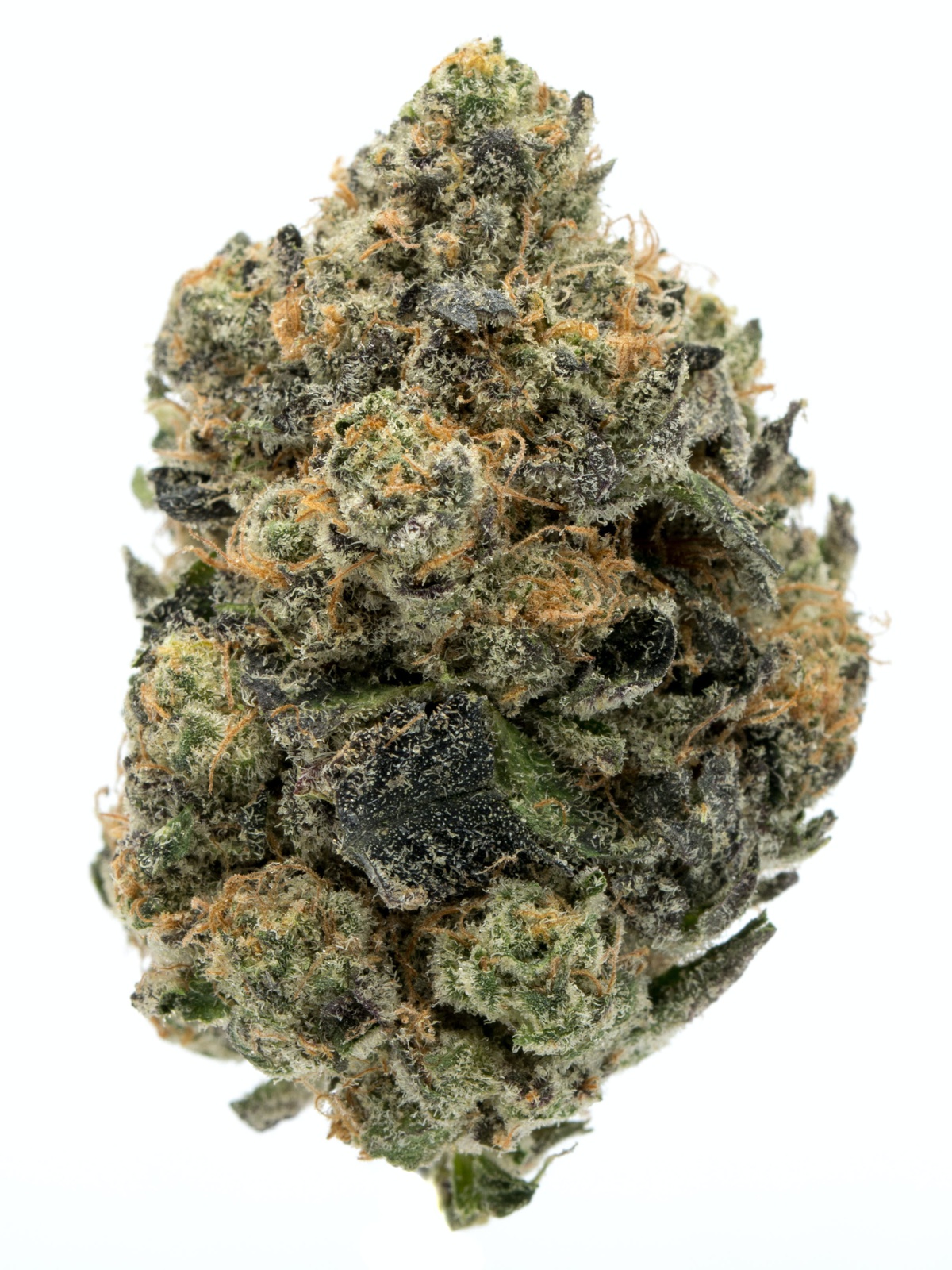
AU
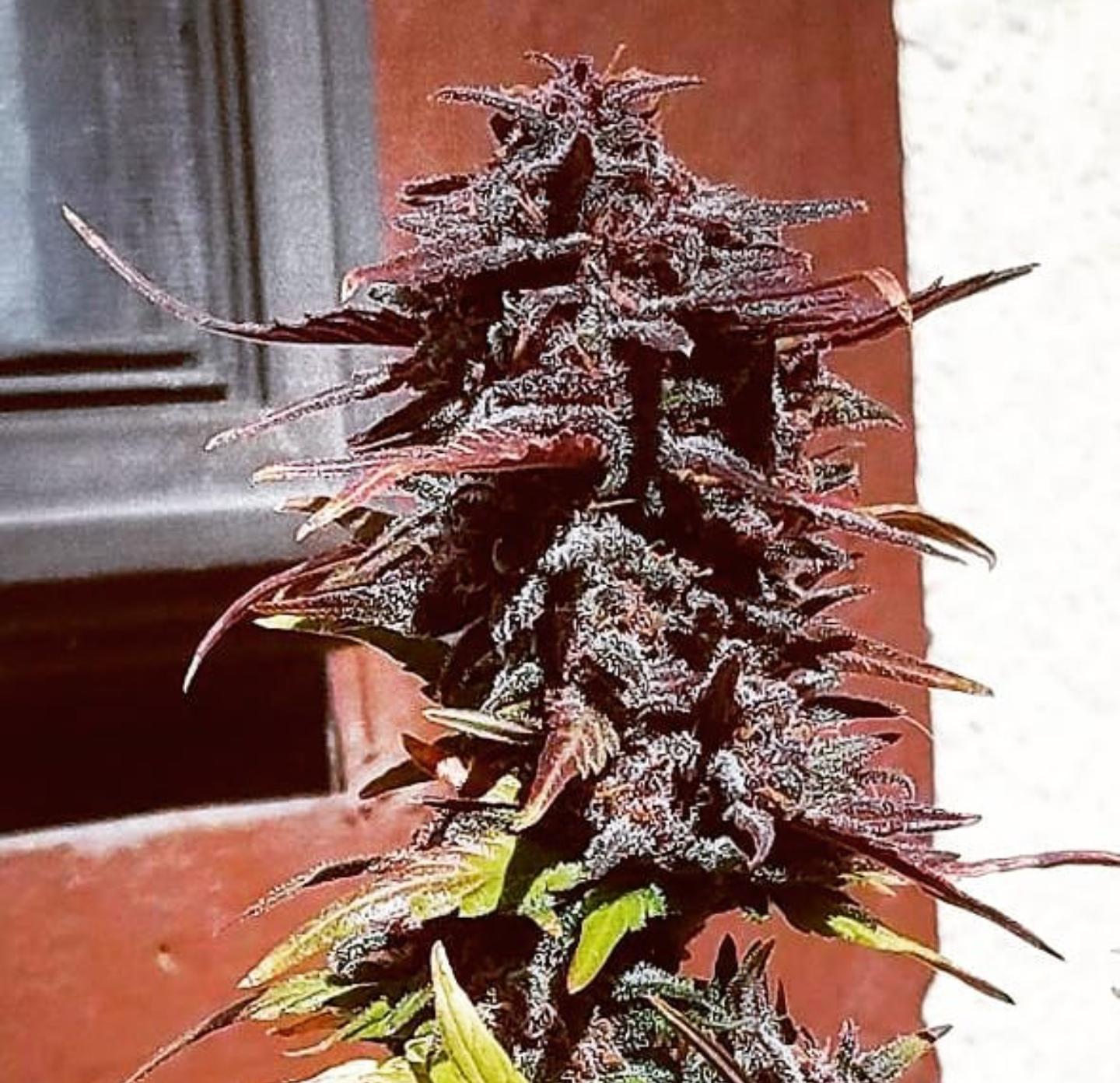
BI
BI
BL
BL
C4
Downstream Descendants
Recursive graph-linked lineage across 300 accessions.
144 inferred mentions
1973 Durbangen 1
Hippie Cannabis Genetics • sativa
80's Durban Poisongen 1
Khalifa Genetics • sativa
Ace of Hazegen 1
Royal Queen Seeds Website www • hybrid
C4-Dgen 1
Reberth Genetics • hybrid
Cali Cherry Piegen 1
BSB Genetics • hybrid
Cherry Pie Kushgen 1
hybrid
Cherry Reapergen 1
PreFloodGenetics • hybrid
Daggagen 1
Underworld Genetix • hybrid
Durbangen 1
landrace
Early Durbangen 1
Copenhagen Seed Company • hybrid
ElonX420gen 1
bhangdog • hybrid
F1 Durbangen 1
Unknown or Legendary • sativa
"Durban Poison's journey from South Africa to the rest of the world began in the 1970s. Legend has it that famous cultivator and cannabis writer Ed Rosenthal discovered the strain on a trip to South Africa to find new genetics. Ed was particularly drawn to Durban Poison's relatively fast flowering time (remember, this was long before the autoflowers and fast-flowering strains of today). Ed got his hands on some Durban Poison seeds, which he later shared with growers and other cannabis enthusiasts, including Sam The Skunkman. Soon after, many Dutch seed banks and coffeeshops began selling Durban Poison, and today, the strain is grown and consumed by cannabis lovers everywhere. Durban Poison's status as a landrace strain means that it has remained unchanged for centuries. This makes it a rare and unique strain that is highly valued by cannabis enthusiasts. Landrace strains are important because they represent the original genetic makeup of a particular strain. They have adapted to their local environment over centuries, developing unique characteristics and qualities that are not found in strains that have been crossbred with others. When growing Durban Poison, it is essential to source seeds from a reputable supplier to ensure the purity of the strain and to preserve its unique genetics. Durban Poison has a sweet and spicy aroma with notes of fresh pine, ripe citrus, and earthy undertones. Users may also pick up on liquorice-like notes. She gets her aroma from a unique terpene profile rich in terpinolene, myrcene, and pinene. Terpinolene is the most dominant terpene in this strain, giving Durban Poison its sweet and spicy aroma. Commonly found in nutmeg, cumin, and apples, terpinolene is also present in other cannabis strains, such as Jack Herer and Dutch Treat. This terpene has potential therapeutic properties, such as anti-inflammatory and sedative effects, among others. Durban Poison's South African origin is significant because the country has a long history of cannabis cultivation and use. Cannabis has been grown in South Africa for centuries, with indigenous tribes using the plant for medicinal and spiritual purposes. In the 19th century, cannabis was introduced to the country's Indian population, who brought with them their own methods of cultivation and use. Today, cannabis is still widely used in South Africa, with many communities growing their own strains for personal use. Durban Poison is an excellent strain for growers due to its ease of cultivation and resilience. The strain is particularly well-suited to outdoor growing, in hot and dry conditions. Durban Poison can grow to be quite tall, making it a great choice for those looking for a heavy harvest. Plus, being a pure landrace sativa, Durban Poison gives growers a chance to experiment with a strain with very unique grow traits that have developed over many years in response to the plant's growing conditions."
Sovereign_Interconnect
Contribute to Durban Poison.
Community-powered genetic intelligence. Interact with the global registry and marketplace via the SBI protocol.
Sell Seeds or Clones
List this strain on the marketplace.
Initialize_Protocol
Submit a Cross
Register a new cross using this parent.
Initialize_Protocol
Suggest a Correction
Fix lineage, names, or other data.
Initialize_Protocol
Submit Photos
Add grow photos or bud shots.
Initialize_Protocol
Share Grow Report
Document your experience growing this.
Initialize_Protocol